
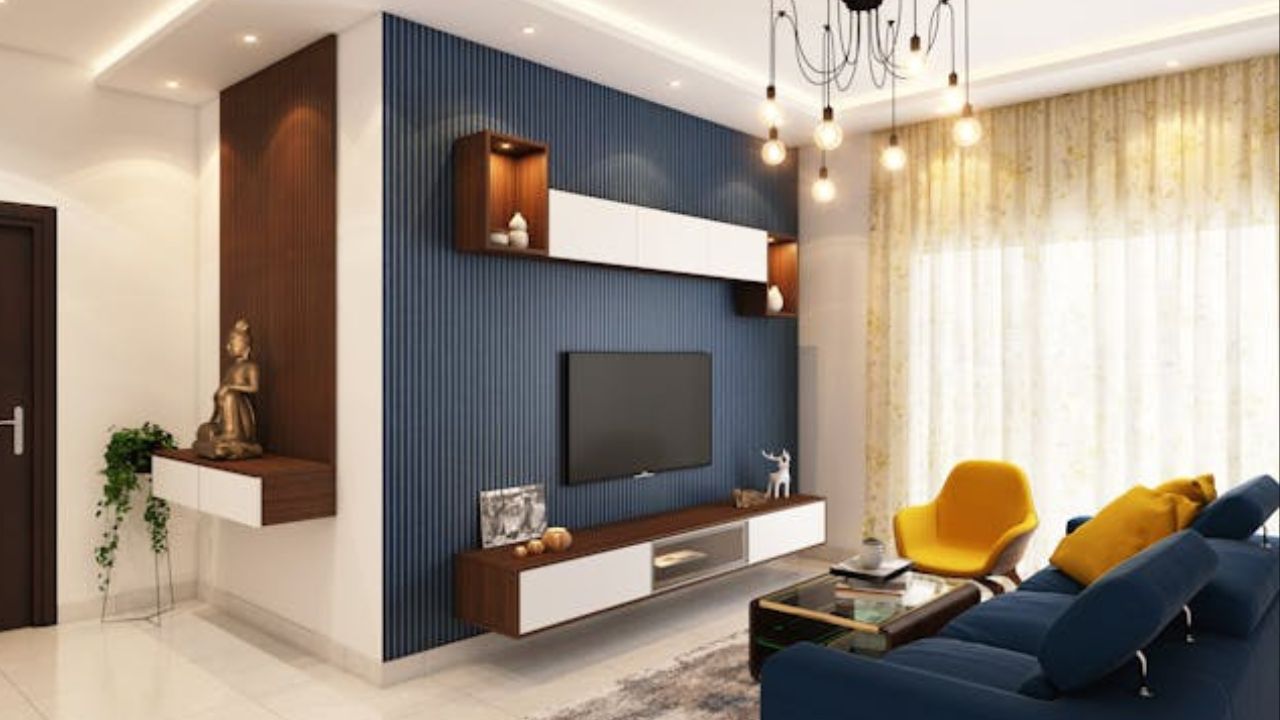
Redecorating and reorganizing the living room can be an exciting weekend activity — at least in theory. In practice, moving heavy furniture or trying to sort through compact items for resale can quickly make the process frustrating.
+ 4 color palettes that will dominate interior design in 2026
Whether your living room is packed with furniture or you’re just looking for a subtle change, interior design experts, according to The Spruce, share how to arrange furniture in a way that maximizes space, feels intentionally styled, and enhances the sense of openness without needing to add or remove any pieces.
Float Your Furniture
When the goal is to make the most of floor space, the natural tendency is to push sofas and shelves against the walls. While this sets the perimeter of the room, it can create the impression of a smaller space. Instead, start pulling furniture away from the walls, even if just by a few inches.
According to designer Elizabeth Vergara, “the easiest way to make your living room feel more open is to pull furniture away from the walls. Even a few inches can help the space feel more intentional and less crowded. This creates breathing room, making the room feel larger.”
Create Clear Zones
Defining distinct zones within the room helps any space feel more expansive. This can be done around focal points and main activities, such as creating a reading nook near a bay window or a well-defined dining area in an open-concept space.
Interior designer Lauren Saab explains: “start with the most engaging piece, usually the sofa, and align it with the strongest element in the room. This could be a fireplace, a glass wall, or the best natural light. When each area has a purpose and one piece sets the tone, the space feels larger and more defined.”
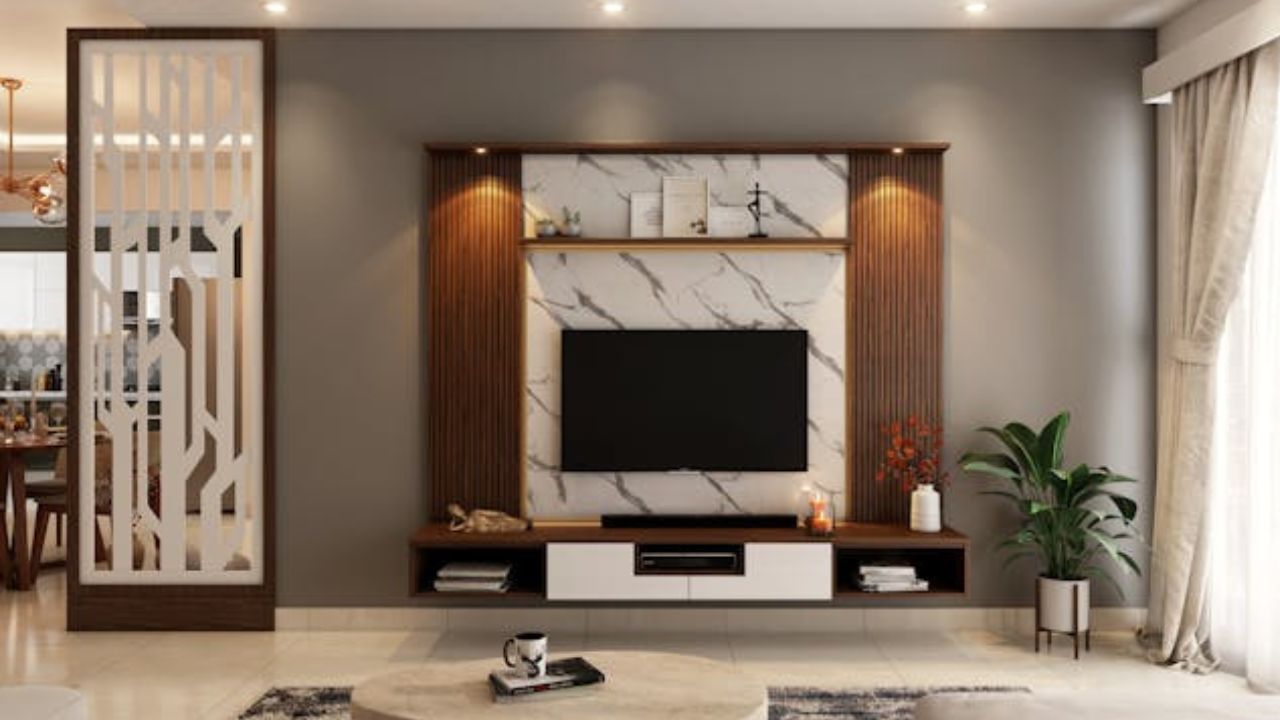
Maintain Symmetry
If you want to arrange your living room in an elegant and balanced way, symmetry is a foolproof strategy. According to feng shui principles, placing furniture symmetrically creates a calming and intentional feel.
“Balance helps keep everything elegant, even if the space is small,” says Elizabeth Vergara. “This could mean placing matching chairs across from each other or aligning the coffee table with the center of the sofa” (The Spruce).
Use Odd Numbers
While symmetry is soothing, for greater visual interest and better zone definition, designer Craig Gritzen, according to The Spruce, recommends grouping furniture or decorative objects in odd numbers.
“Grouping objects in sets of three, five, or seven is visually more appealing. Varying the depth, height, texture, and proportion of the groupings creates interest and enhances the sense of openness.”
Pay Attention to Pathways
A well-organized living room should merge aesthetics and functionality. According to Lauren Saab, “before committing to a layout, walk through the space. If you have to dodge or squeeze between furniture, the layout is working against you.”
Craig Gritzen adds: “place bulky furniture away from pathways used to move through the room. If a sofa or sectional blocks the natural flow, the space will feel closed in and smaller” (The Spruce).
Experiment with Different Angles
Even without a full rearrangement, small changes in angles can open up the main area and improve visual flow.
Elizabeth Vergara advises: “try slightly angling furniture or rotating the living room rug to shift the visual flow. Working with what you already have takes a little creativity and a fresh perspective.”
Source: The Spruce. This content was created with the help of AI and reviewed by the editorial team.
